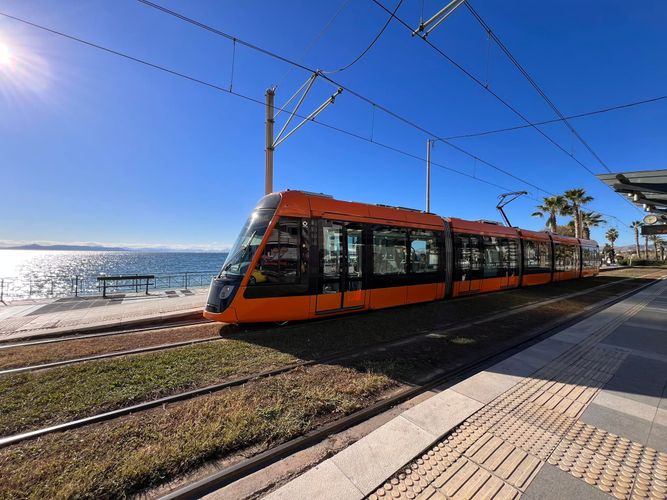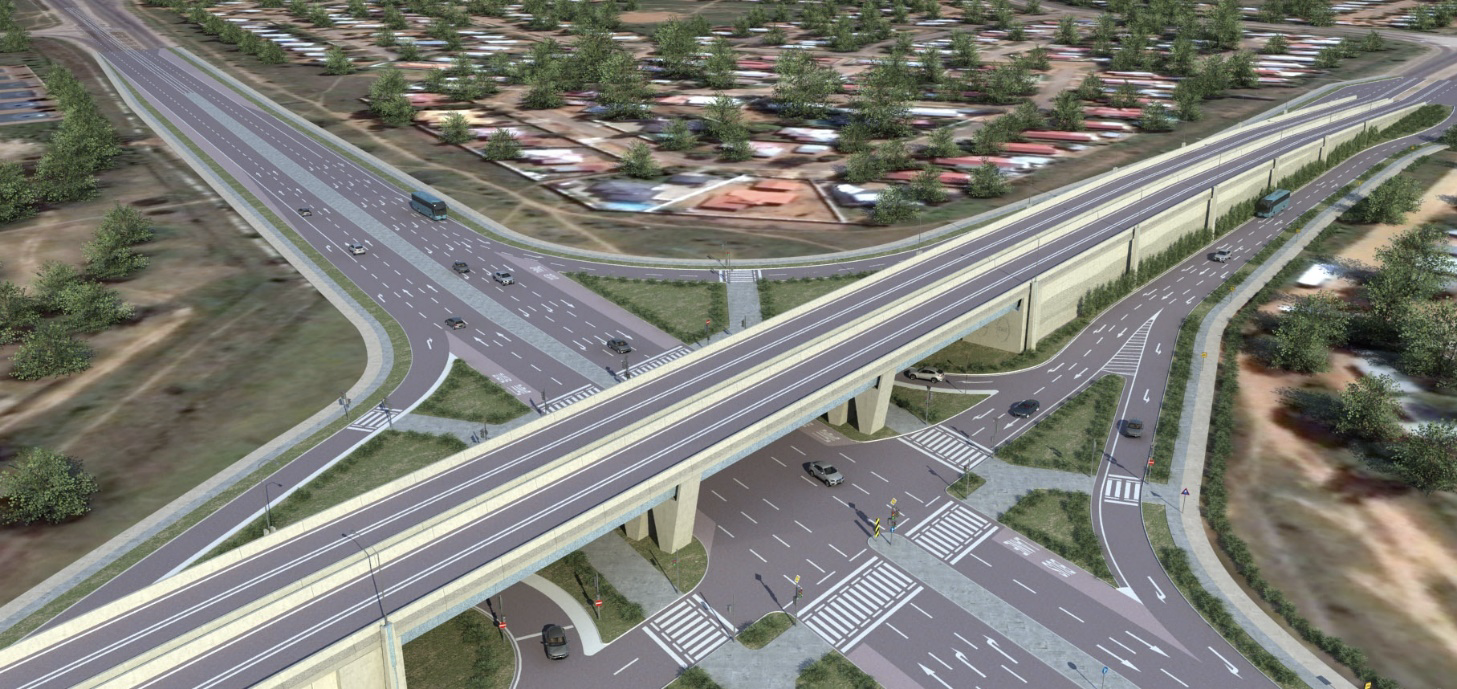
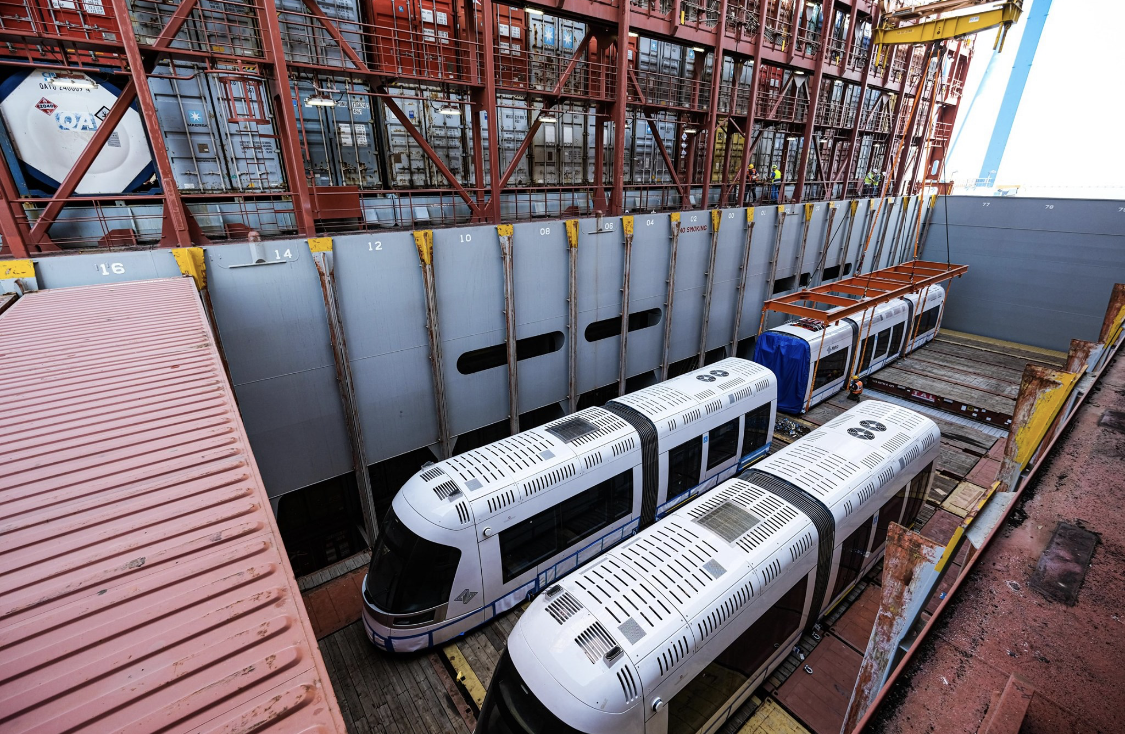
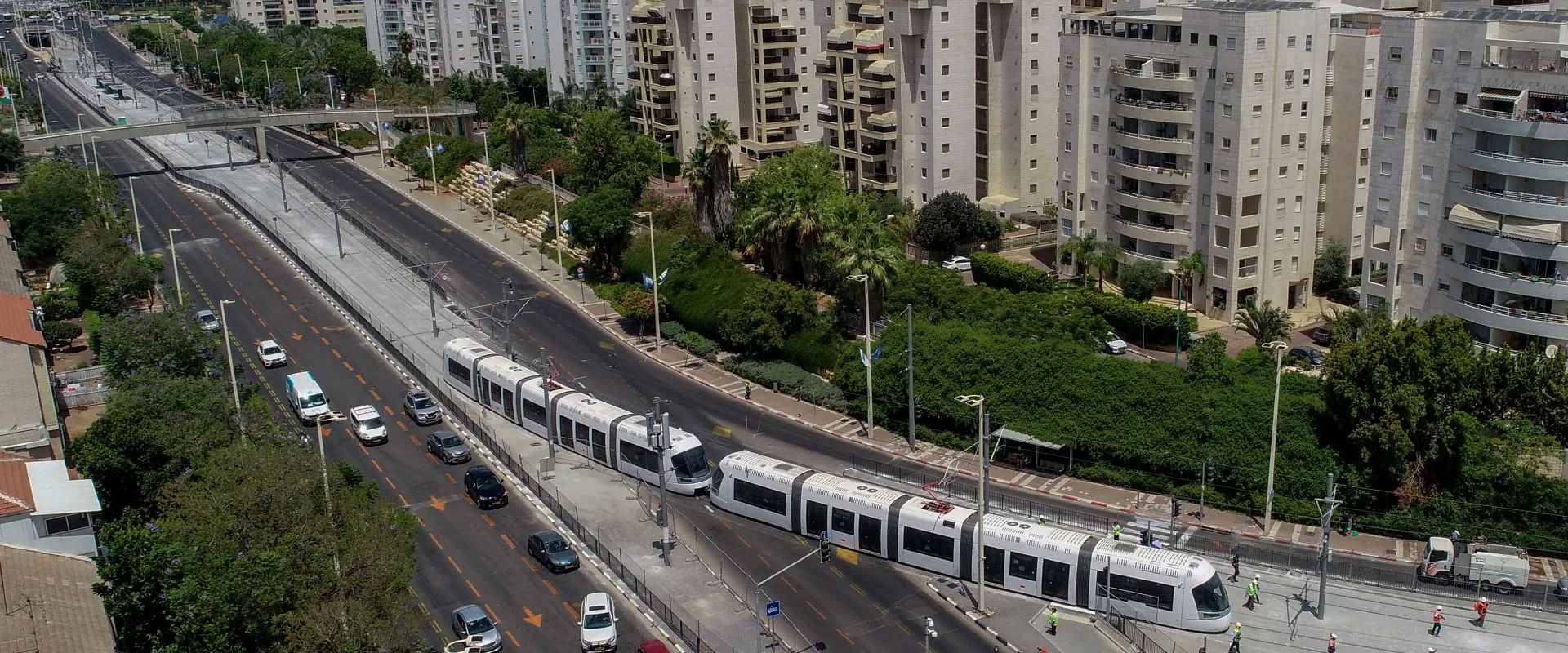
The Tel Aviv Light Rail Transit (LRT) Red Line is the backbone of the metropolitan mass transit system, representing one of the most significant infrastructure projects in Israel's history. Spanning 24 kilometers, this high-capacity line connects five major municipalities-Petah Tikva, Bnei Brak, Ramat Gan, Tel Aviv-Yafo, and Bat Yam. The project is designed to transform the region's transport landscape by providing a rapid, reliable, and sustainable alternative to private vehicle use.
NAMA serves as a key technical consultant for the project, providing expert design checking services across the vast array of railway systems required to keep the Red Line operational and safe.
Technical Complexity and System Integration
The Red Line is a sophisticated hybrid system, combining surface-level transit with deep underground sections. NAMA's specialized consultancy covers the following critical domains:
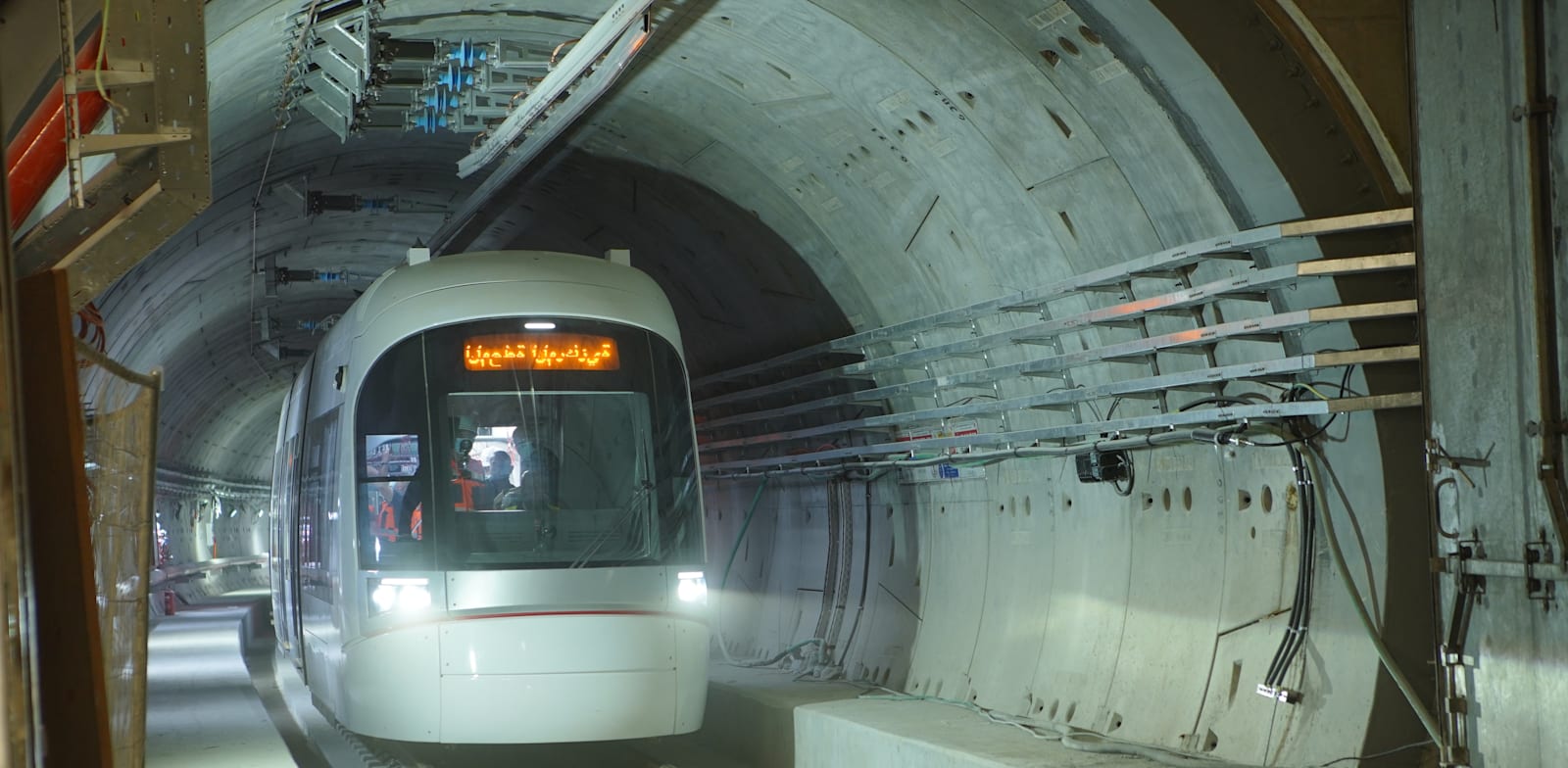
- Dual-Nature Alignment: The 24 km ballastless double-track line features a 13 km at-grade section and an 11 km tunnelled section. NAMA's design checking ensures that the trackwork and alignment meet the unique stresses of both environments.
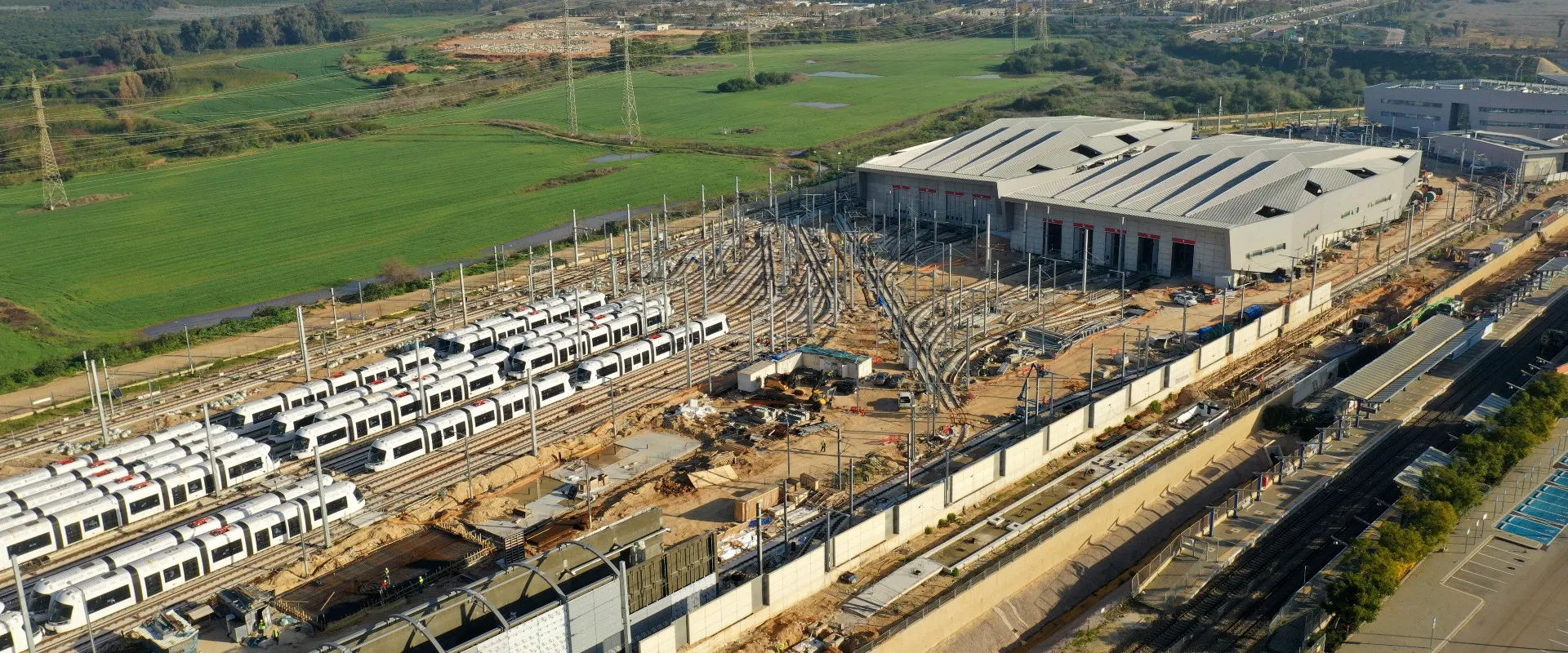
- Kiryat Aryeh Depot: This state-of-the-art facility serves as the "brain and heart" of the line. NAMA oversees the systems for light and heavy maintenance, accident repairs, and daily servicing, ensuring the rolling stock remains in peak condition.
- Power and Electrification: NAMA verifies the designs for power distribution, traction power, and the Overhead Catenary System (OCS), which provides the energy necessary for the high-frequency transit schedule.
- Advanced Signaling and Safety: The project includes the review of Signaling and Train Control systems, Traffic Priority Control (to ensure the LRT moves swiftly through intersections), and comprehensive fire suppression and smoke detection systems for the tunnelled sections.
- Operational Infrastructure: NAMA checks the IT infrastructure and systems for the Control Center, including SCADA networks and video walls that allow operators to monitor the entire network in real-time.
Key Figures and Regional Impact
The Red Line is more than just a railway; it is an economic driver for the Tel Aviv metropolitan area:
- Passenger Capacity: The line is designed to serve approximately 70 million passengers annually, drastically reducing traffic congestion on Israel's busiest roads.
- Frequency and Speed: During peak hours, trains run every few minutes, significantly cutting travel times between the suburbs and the metropolitan core.
- Urban Renewal: The project has sparked massive real estate and commercial development along its 34 stations (24 at-grade and 10 underground).
- Sustainability: By encouraging a shift to public transport, the Red Line contributes to a substantial reduction in CO2 emissions and urban noise pollution.
For NAMA, the Tel Aviv LRT project highlights our international reputation as a trusted technical advisor for complex rail systems. Our contribution ensures that the intricate web of mechanical, electrical, and digital systems works in harmony to deliver a world-class transit experience.