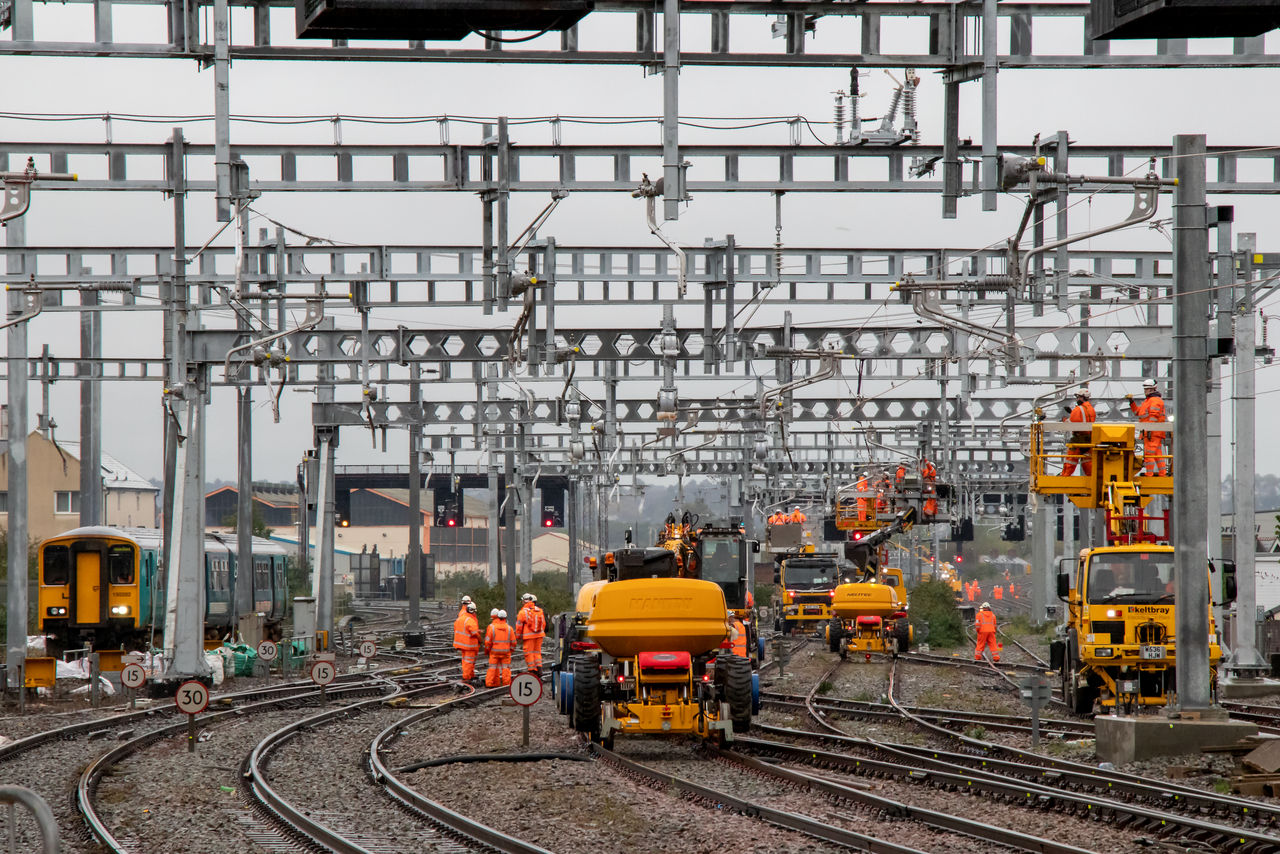
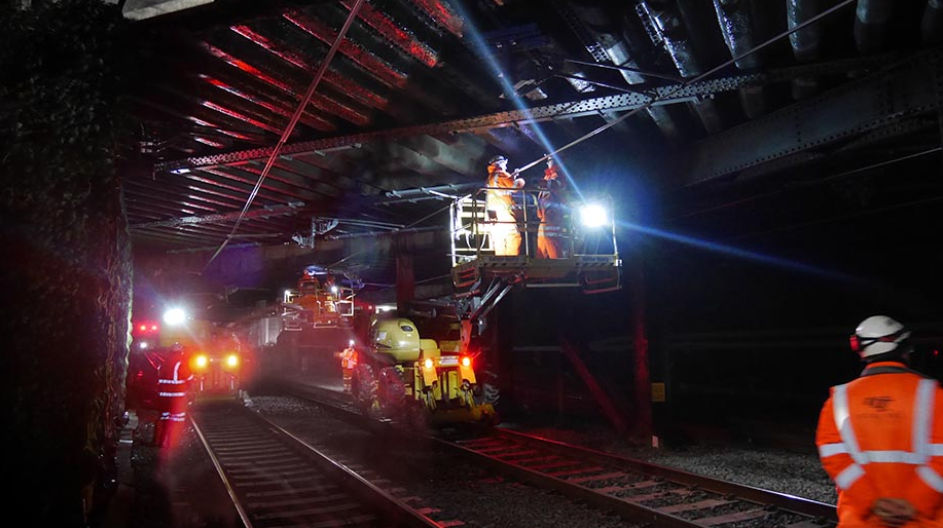
The electrification of the Cardiff railway network, part of the wider South Wales Metro project, is a transformative initiative aimed at delivering a faster, more frequent, and greener transport system for the region. A significant engineering challenge within this modernization is the limited overhead clearance at numerous historic bridges and underpasses. To facilitate the installation of overhead line equipment (OLE) without costly bridge reconstructions, the traditional ballasted track is being replaced with low-profile slab track systems.
NAMA has provided essential technical support for the design of the slab track systems, ensuring that modern electrification standards are met within the tight spatial constraints of the existing historic infrastructure.
Engineering Solutions for Vertical Constraints
The transition from diesel to electric traction requires a specific vertical "air gap" for the safety of the overhead wires. NAMA's involvement focused on the implementation of advanced track technology to create this necessary space:
- Rheda 2000 Slab Track System: NAMA supported the design using the "Rheda 2000" system by RailOne. This ballastless track technology offers a significantly reduced construction height compared to traditional sleepers and ballast, allowing the tracks to be lowered or maintained at a level that accommodates electrification under existing bridges.
- Precision Design for Underpasses: At specific locations where bridge heights were insufficient for standard electrification, NAMA provided the engineering designs to replace the ballast bedding with high-stability concrete slabs.
- Durability and Reduced Maintenance: Beyond solving height issues, the slab track system provides superior geometry retention and longitudinal stability, which is critical for the high-frequency "turn-up-and-go" service planned for the Cardiff Valleys lines.
- Structural Integration: NAMA's expertise ensured that the new slab track was structurally compatible with the existing railway embankments and historic bridge foundations, preventing settlement and ensuring long-term operational safety.
Key Figures and the South Wales Metro Vision
The electrification project is a cornerstone of the regional transport strategy:
- Frequency Improvements: The project enables the goal of providing 4 trains per hour on the core valley lines, significantly increasing capacity for commuters in the Cardiff Capital Region.
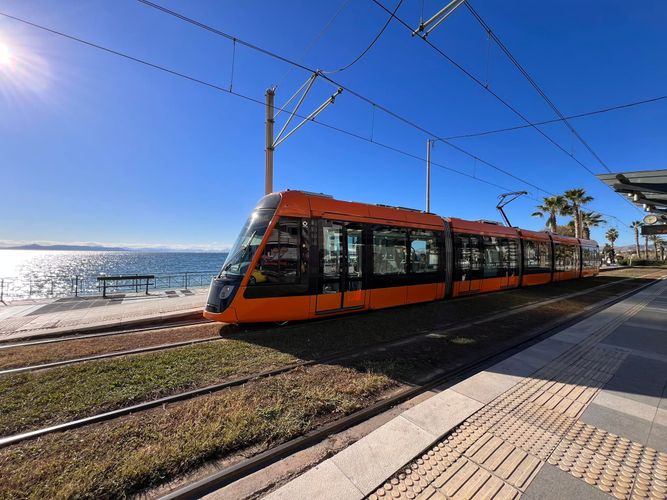
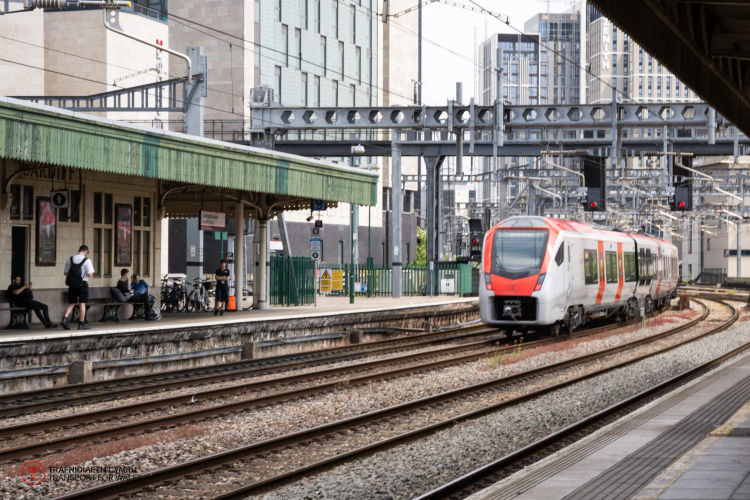
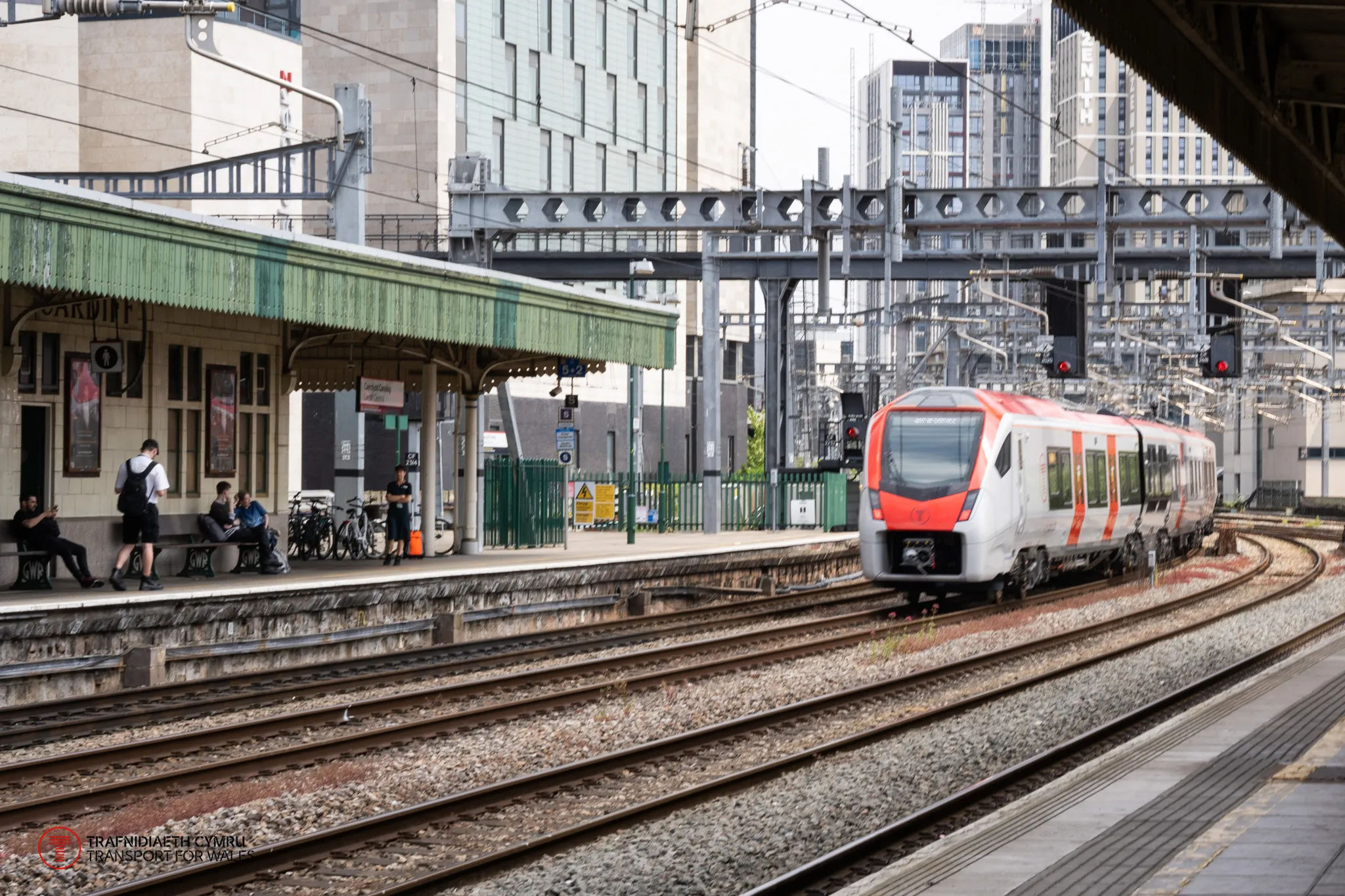
- Rolling Stock Transition: The modernized tracks support the new fleet of Stadler Citylink tram-trains and FLIRT trains, which utilize tri-mode technology (electric, battery, and diesel).
- Sustainability: Electrification is expected to reduce greenhouse gas emissions across the network, contributing to Wales' Net Zero targets.
- Historic Preservation: By utilizing slab track technology to gain clearance, the project preserves numerous Victorian-era stone bridges that are characteristic of the Welsh railway landscape.
For NAMA, the Cardiff railway project demonstrates our ability to apply specialized track technologies like Rheda 2000 to solve complex brownfield infrastructure challenges. Our contribution helps bridge the gap between historic railway assets and the requirements of a 21st-century electrified metro system.