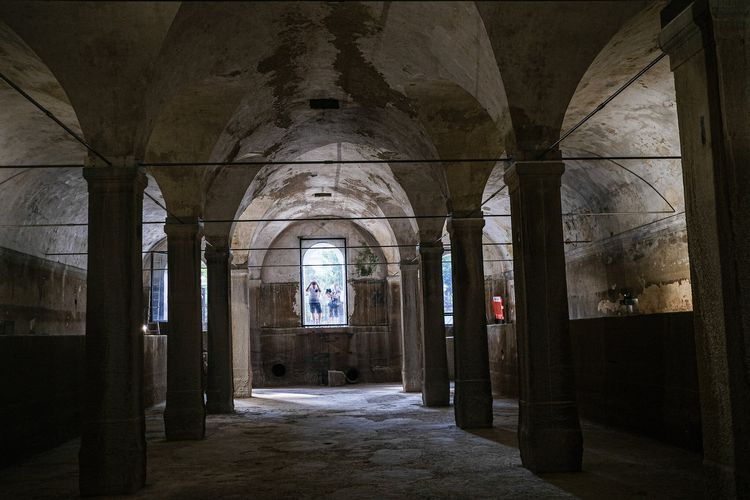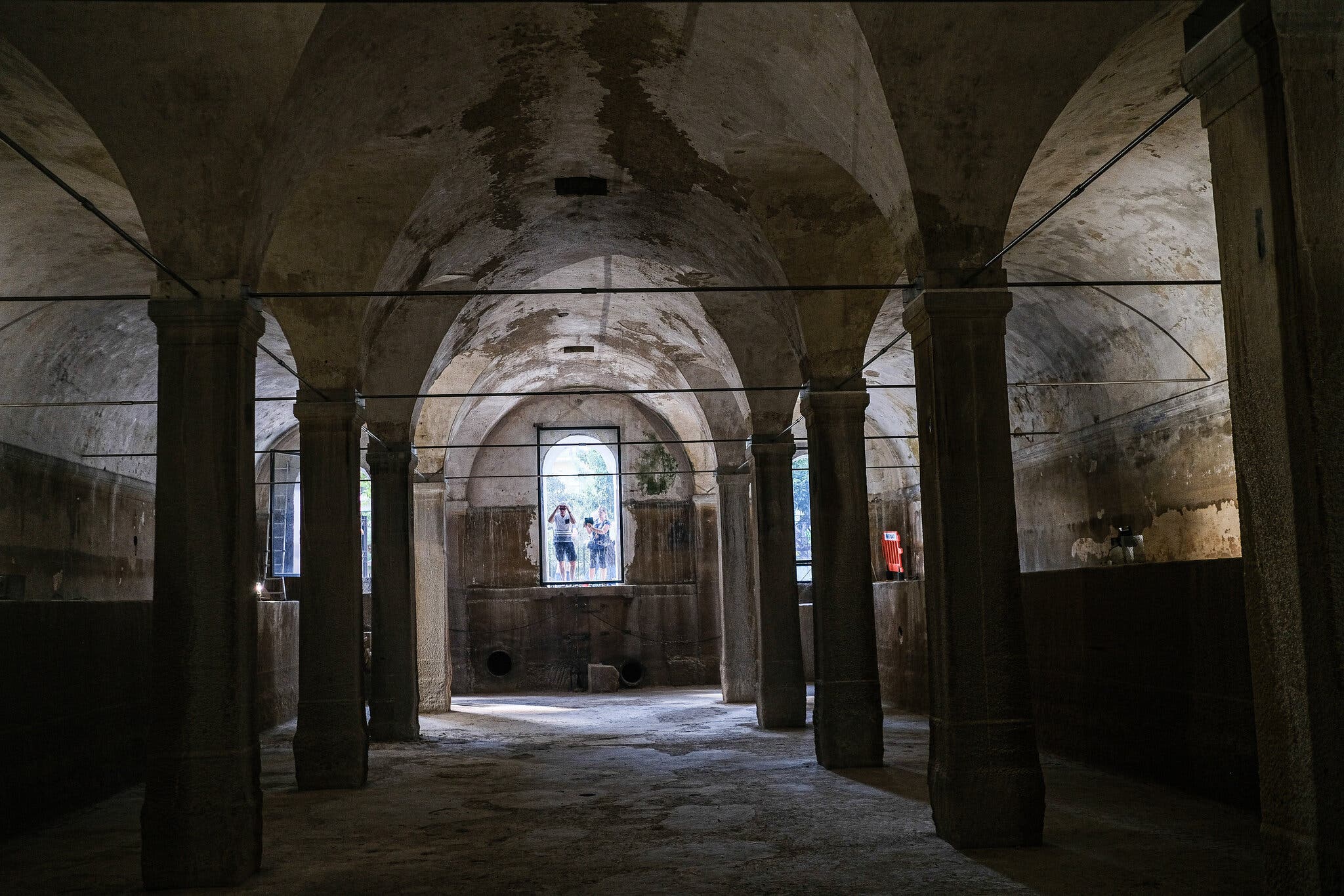
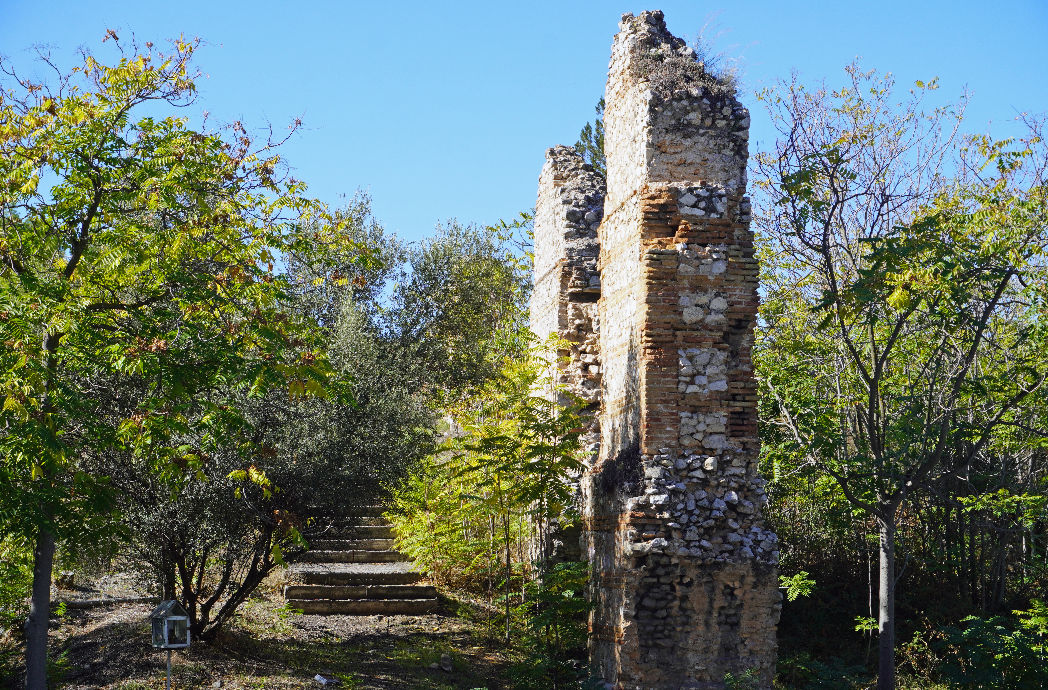
The Hadrian Aqueduct is one of the most significant engineering legacies of the Roman Period and stands as the first large-scale hydraulic project in the history of Athens. Constructed in the 2nd century AD, this subterranean marvel served as the city's primary water source for nearly 1,800 years. Today, in an era defined by the need for climate resilience and circular water management, the revitalization of this ancient asset represents a landmark move toward a greener, more sustainable Athens.
NAMA conducted the comprehensive feasibility studies and technical proposals required to bring this 1,900-year-old infrastructure back into service, transforming it from a neglected relic into a vital tool for the city's environmental upgrade.
Technical Revitalization and Sustainable Resource Management
Reviving a Roman-era tunnel within a modern metropolitan environment required a sophisticated blend of historical research, hydraulic engineering, and chemical analysis:
- Subterranean Heritage Assessment: The aqueduct consists of a 30 km long tunnel that collects water from the aquifers of eastern Parnitha and western Penteli. NAMA's study involved extensive data collection from various authorities to map the structural and hydraulic state of this ancient network.
- Hydraulic and Chemical Analysis: After decades of abandonment due to groundwater contamination, NAMA performed rigorous hydraulic measurements and chemical analyses. Our team identified the technical pathways to manage water quality, ensuring the supply is safe for non-potable urban use.
- Non-Potable Circular Economy: NAMA prepared specialized proposals for the exploitation of the aqueduct's significant capacity-estimated between 20,000 to 30,000 m³/day. Rather than letting this water go to waste, the study outlines its use for large-scale irrigation, road washing, and network cleaning across the capital.
- Urban Cooling and Environmental Upgrades: A primary focus of our technical proposal was the use of the aqueduct's water to support the "green and blue" infrastructure of Athens. By providing a dedicated water source for urban parks and public spaces, the project acts as a catalyst for cooling the city and improving the local microclimate.
Key Figures and Strategic Impact
The exploitation of the Hadrian Aqueduct is a project that bridges the engineering excellence of the past with the sustainability goals of the future:
- Incredible Longevity: Originally completed around 140 AD, the aqueduct remains one of the longest-running hydraulic structures in the world, a testament to the durability of Roman engineering.
- Scale of Resource: With a daily capacity reaching up to 30,000 m³, the aqueduct can provide nearly 10 million cubic meters of water annually-a massive resource for a city facing increasing water scarcity.
- Historic Preservation: By integrating the aqueduct back into the city's life, the project ensures the preservation of a 30 km archaeological monument while giving it a functional, modern purpose.
- Climate Resilience: Moving away from the use of treated potable water for irrigation and cleaning allows Athens to optimize its primary water reserves (like Marathon and Mornos) for human consumption, especially during periods of drought.
For NAMA, the Hadrian Aqueduct project is a masterclass in adaptive reuse. It proves that the most resilient solutions for the challenges of tomorrow often lie in the scientific restoration of the masterpieces of yesterday. By combining hydraulic expertise with environmental foresight, we are helping Athens reclaim its history to water its future.